The concept of looking perfect has been a major thing for decades. Many teens have the desire to look like the fake, plastic versions of people they see online. But the truth is, most of what they see is not real. The editing, filters and designing behind online media can cause teens to think they’re not good enough.
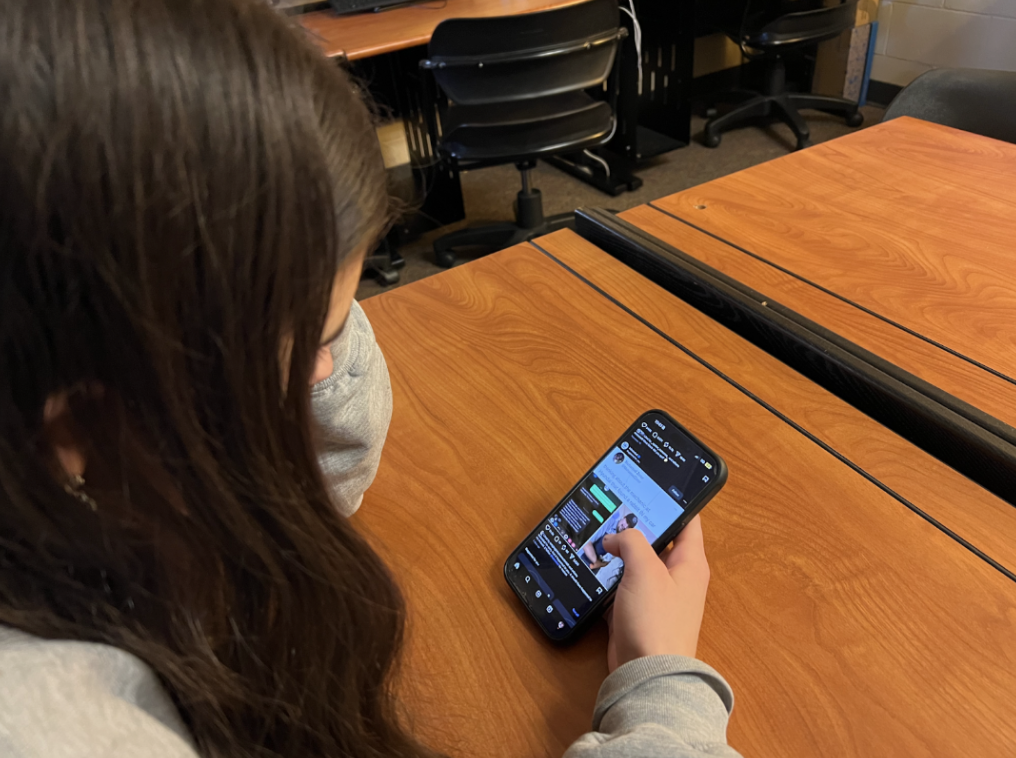
When scrolling through apps like TikTok, Instagram, and Snapchat, it seems everyone looks flawless and effortless, but behind the picture being taken, there can be hours of work.
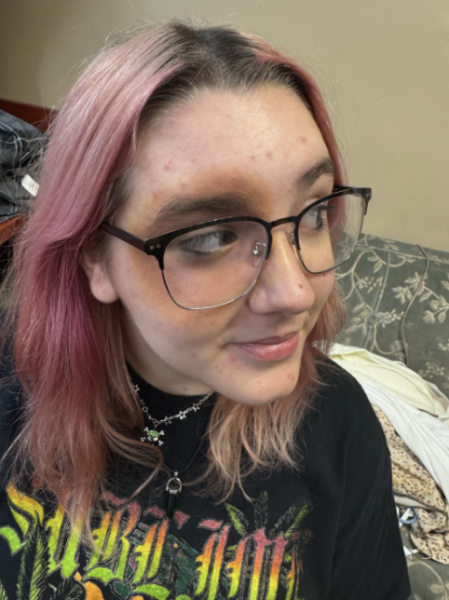
“If I don’t know that they’re edited and I see someone prettier than me and has a desirable body, it makes me feel really sad and jealous.” said Ryann Jenks, 10. “If I do know it’s edited, I don’t really pay attention to it.”
Even though people may know about the work that goes into these posts, it still messes with some heads.
It’s almost impossible for teens to open their phone and not see someone who looks like they have a perfect life. Some teens spend a lot of time feeling terrible trying to copy these beauty trends. Taking tons of pictures only to post one. Others might start feeling bad about themselves. Deep down people know everyone has flaws but seeing posts where people look almost too perfect, it makes you wonder, “Do they have any flaws?” Social media often only shows the best versions of people. It hides the parts that make them real. That makes them human.
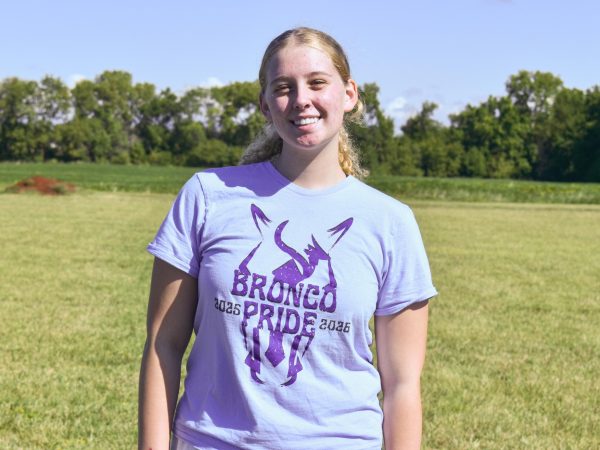
“Whenever I start to compare myself to other people, I turn back to the sticky notes I leave on my mirror that have different verses on them from my bible.” said Lillian Metcalf, 10. “The saying ‘God made you exactly how you wanted to be’ has impacted how I view myself and others.”
The truth is, beauty stands are always changing, but trying to live up to the expectation of unattainable ones never turns out well. Not everyone gives in to the pressure to be perfect. In fact, some people are starting to realize that being themselves is better than being a copy of the current trends.