
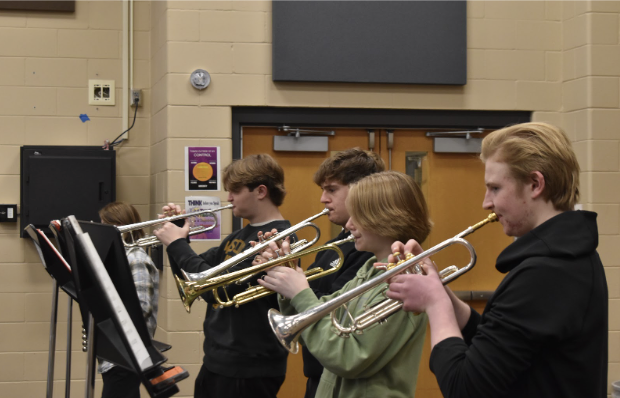
From classic rock to jazz to 90s alternative, students’ playlists say more about them than just what’s playing through their headphones. Music has become a daily soundtrack shaping moods, friendships, and even identity.
For Jace Nelson, 12, music taste is constantly evolving.
“It’s all over the place,” Nelson said. “Right now I’m listening to jazz, but it switches from dad rock to metal to electronic.”
As they’ve gotten older, Nelson said their taste has expanded through experiences like jazz band and taking recommendations from friends. They believe music directly affects their mood.
“If you’re driving to work, you listen to something hype to get ready. After work, I’ll listen to something that reflects how I feel,” Nelson said.
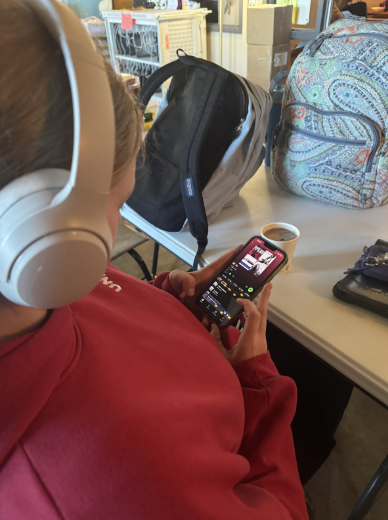
For them, sharing music is personal.
“It’s like giving a piece of yourself to somebody,” Nelson said.
Arryson Erhart, 9, gravitates toward classic rock but says their taste has shifted with life experiences.
“I would say music that you listen to reflects your mood,” Earhart said.
While they don’t consider themselves a big people person, music helps them start their conversations.
“When I need to talk to somebody, music is the first thing I’ll usually ask about to make new friends,” Erhart said.
Lyla Gatza, 10, favors 90s rock and sees music as a form of expression.
“I definitely don’t match my looks to my music tastes, but I think that just shows people are different on a deeper level,” Gatza said.
They use rock to get pumped up for competitions and slower songs to study.
“Music can change the mood of any situation,” Gatza said.
Though streaming platforms like Spotify offer recommendations for songs, each student agreed that personal choice still leads the way. In the end, playlists may change, but the impact of music on identity and connection remains constant.