
When it comes to extracurriculars, many are pretty self-explanatory. Theater is acting, and Tech theater is backstage. Gym and health classes circle around the same general idea. Art, drawing, and ceramics do as their name says.
One extracurricular that strays from this commonality is agriculture. The divide between students who are deeply involved compared to ones who know little to nothing is very large. So, what is agriculture when it comes to a class? How is it used?
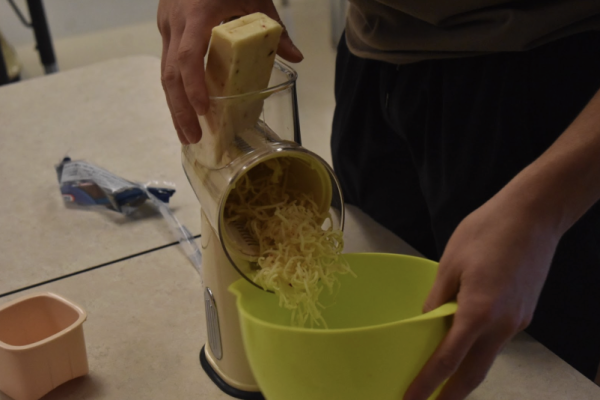
“In basic words, agriculture really divides out the different sections of industry kids can go into, but bringing light to it in small terms and also large terms, which makes it hard to fully explain,” Lucy England, agriculture teacher, said.
England believes the agriculture pathways lead to practically all parts of human life. From clothes, food, human and animal care, and even giving out of school opportunities to learn in places like vets or horse farms, there are many opportunities that are easily applicable to everyday life.
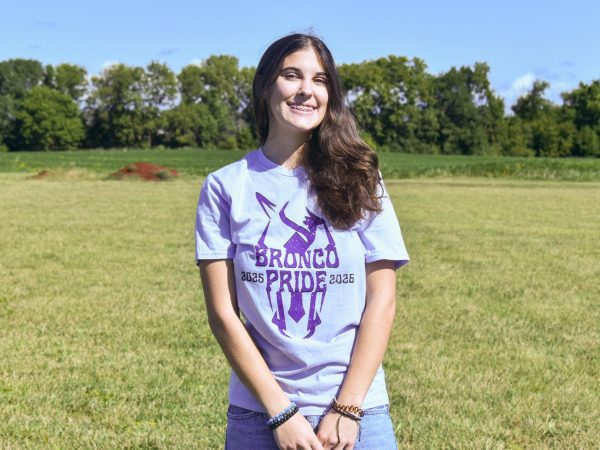
That’s not all though. Students who are in these classes learn of many other useful and crucial parts of life in it as well. “You find a group of people to connect with, even if it’s not just agriculture. I have friends from different schools all around Kansas because of FFA, you get to meet new people and new friends,” Bailey Kruse, 11, said.
They explained the importance behind agriculture similarly to England: the food we eat and the clothes we wear. It’s not just farming; it could be considered human life itself.
There are many different class pipelines too, from animal health to mechanics to even food sciences. The agriculture pathway prides itself in its seemingly endless reach and opportunities.

Despite this, why is there such a large divide between the participating students and the ones who know little to nothing about agriculture?
“I think there’s a stigma of ‘agriculture classes are not for me. I’m not a farmer, so I wouldn’t take an agriculture class,’” Alicia Hampton, FFA adviser, said.
Hampton thinks many students don’t see a direct connection from agriculture to their life and their career pathway. Many people hear about agriculture through word of mouth, so there is often a limited knowledge of information.
Despite this, the students that do participate are typically very involved. Many take multiple agriculture classes and form strong bonds with one another. It is a place of likeminded people who are interested in the future and current state of the producing world.
“I think it’s important for students to take this class because it helps you learn more about what is going on today, what will happen, and not only as students but later on in life too,” Kinsley Rodden, 11, said.
Even with the divide among students, the importance of agriculture classes remains constant. To broaden horizons, agriculture classes are very important for students when it comes to developing a deeper understanding of economy, nature, and life itself.