
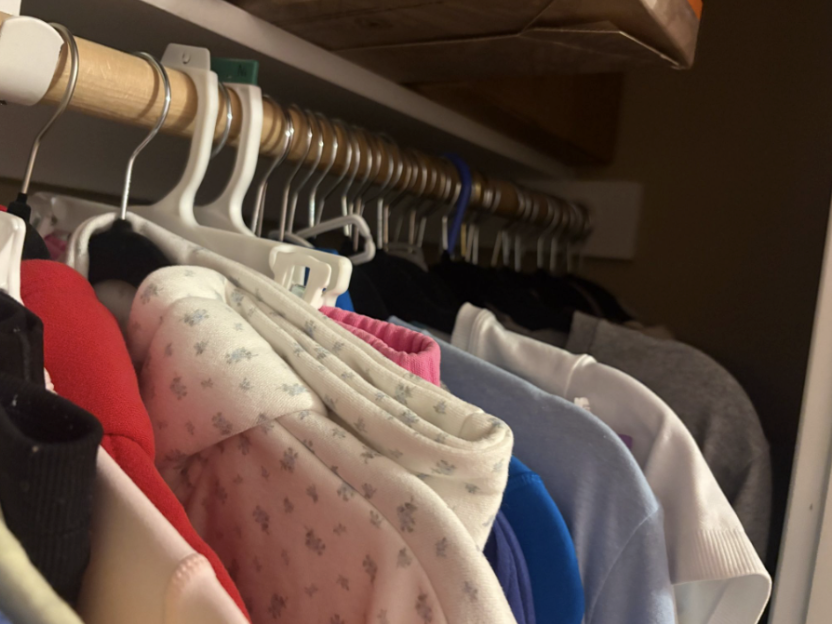
From daily Amazon deliveries to fast fashion returns, a shopping epidemic centered around instant gratification is spreading. Online sites have made it easier than ever for all people, including students, to purchase items at a low price without giving thought as to how the product was made or the effects of constant purchases.

Millions of these goods are delivered and bought every day, whether that be through big corporations like Amazon and Walmart or small businesses. While some of these items are necessities, the vast majority of them are solely the result of people in the pursuit of happiness through the purchase of these material things. Though people do this in order to feel fulfilled and complete, the only things really being filled are landfills across the nation.
“I feel like I would describe [overconsumption] as purchasing in excess like getting things that you don’t actually need just to have them,” said Forrest York, 11.
A big contributor to overconsumption is the promotion of fast fashion and trends. These items are often not used for very long due to their poor quality or the buyer’s loss of interest in the item.
“With things like SHEIN and Temu, they’ve become a big part of fast fashion. People buy it a lot, and then a lot of it ends up in landfills,” Paityn Creach, 11, said.
The growth of landfills is not the only negative effect of overconsumption.
“The things [SHEIN and Temu] sell break a lot, and they’re not ethical because there’s child labor and pollution,” said Olivia Osterman, 10.
Though many students have heard of these effects at one time or another, they often disregard these effects because they are outweighed by the “benefits.”
“In high school, it is very important to a lot of students to fit in, to feel wanted, and to feel involved. By sticking out and by not following in these people’s footsteps, they can be criticised. If you give in to overconsumption, it gives you a common denominator with a lot of people. Everybody wants to be included,” Lenore Pinkerton, 11, said.
Additionally, it is hard for people to recognize how their actions actually contribute to the overconsumption epidemic. They are discouraged by the fact that they can’t make a big difference, so they continue to be avid overconsumers.
“I think it always leads to the same thing — nobody else is doing it, so why should I? I think changing that mindset [matters],” Pinkerton said. “It also falls back on peer pressure, so I think at the end of the day, it is about being comfortable with yourself.”