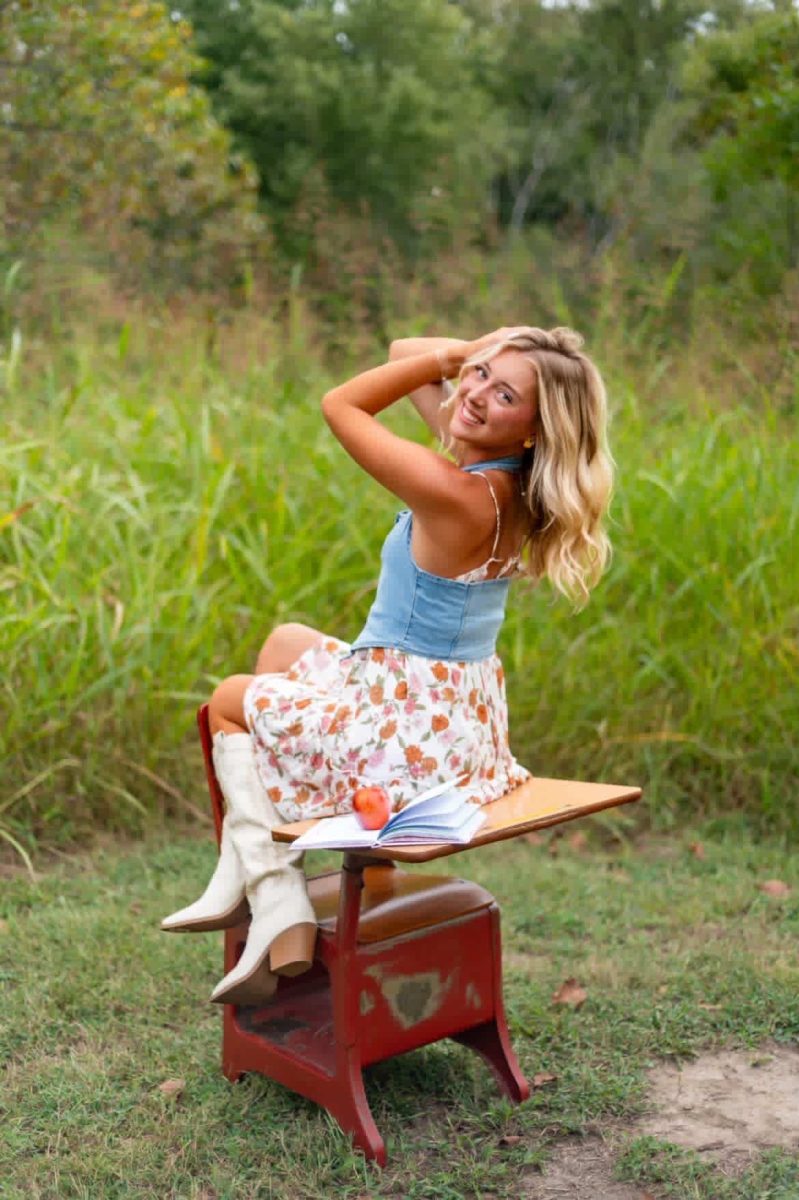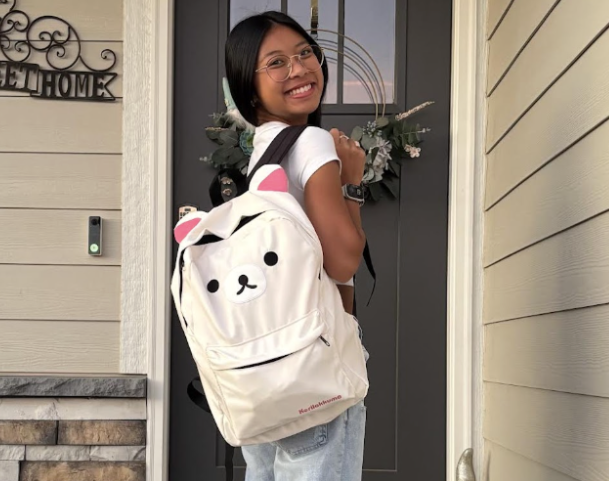
Gucci, Louis Vuitton, Chanel, Prada… Leonard. The biggest names in fashion are boasted by celebrities all over the world. The highest-praised fashion designers of today began as artists who took advantage of their creativity and their fearlessness to stand out. Abigail Leonard, 10, dreams of becoming one of the “Greats” in the glamorous fashion industry, and, with 10 years of experience, a debut is in order.
Leonard has been fascinated by fashion since early childhood. Starting at a young age, Leonard’s family recognized talent and supported Leonard’s creativity with enthusiasm.
“[I first got into fashion] when I was very, very little,” Leonard shared. “When I was about five years old, my mom got a dress form, and I would just drape cloth on it. It was always super creative, and my mom was always super impressed, so she bought me sewing kits. So, I’ve just been doing it since before [I started] school.”
Like Leonard, many young girls went through a “fashion” phase of dolls and dress-up games. However, it soon became clear to Leonard that this was a calling. While Leonard’s mother provided the first exposure to the world of fashion, the rest was all individual.
“My mom was [into fashion] when she was a kid, so looking at photos of her when I was younger kind of influenced it. [Fashion]’s really just always been something for me that I didn’t really pick up from anywhere. It’s just been a part of my personality, a part of myself, for forever.”
Leonard expresses imagination through art classes offered through the high school such as sketching, painting, and ceramics, as well as fashion and interior design. Leonard’s most elaborate projects though, are designed and created at home on a sewing machine. One of Leonard’s favorite challenges is recycling used articles of cloth into new outfits.
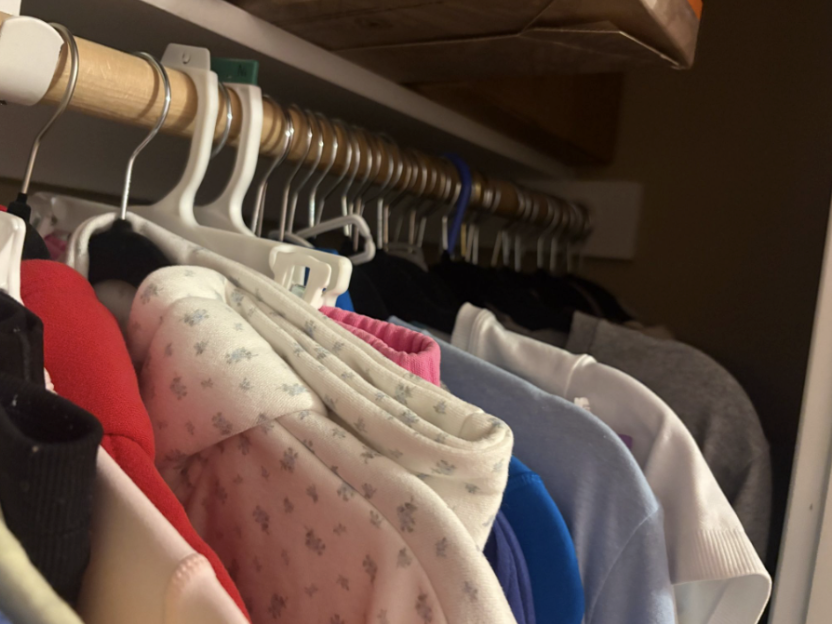
“I really like styling really weird pieces of clothing. I’ll just take bandanas or blankets or something and make it into part of my outfit, and that’s really fun. Also, I’ll take clothes out of my parents’ closet, like just a regular button-up, and I’ll turn it into a skirt, and that’s fun. I have a sewing machine that helps me do that. I’ll be able to modify anything I find pretty much, and just [make] interesting choices.”
Leonard believes that fashion is much more than clothes and outfits. Leonard treats fashion the same as any art project: with creativity, talent, and experience.
“Fashion is really an art form. It’s just as complicated as making a painting or drawing a mural. It’s the expression of the human; it’s emotion, it’s thoughts, it’s opinions of other people. You can do so much with fashion that it really is just an art form.”
A “fashion statement” is more than just a metaphor. Like any art form, fashion represents something intimate that is expressed outwardly. Leonard shows that fashion can reveal so much about a person if another knows where to look. Fashion is a way to express individuality and vulnerability.
“Just the colors that you wear — that represents the emotions that you feel toward something. Different styles can be different kinds of personalities or represent how you grow. As you age, you start wearing different kinds of clothes, and that’s just showing your personality, showing how you’ve grown.”
Most people overlook things like fashion in their busy day-to-day lives. Things like outfits and hairstyles are easily forgotten. However, Leonard explains that even subtle fashion choices make an impression on people whether they are aware of it or not.
According to Leonard, “Not only is fashion artistic, but it’s also very social. Based off of how you dress, it’s going to show people who you are, and it’s going to give them a first impression. What you wear is the first thing people look at. That’s the first thing they notice about you whether they know it or not. It’s telling them who you are before you even talk.”
For example, Leonard describes the development of a personal fashion style.
“I just always try to dress like my personality and how I’m feeling that day, so always very interesting. [Fashion]’s the one real way I’ve always been able to express myself. Even when I’m not comfortable saying something, I can always show it through what I wear. And that’s just something that feels really magical to me.”
Fashion shows change on a larger scale as well through culture and the passage of time. Fashion styles phase in and out as decades pass: recollect poodle-skirts and cargo pants, bobs and mullets. What does a fashionable person have to do to launch the next viral fashion trend?
“[A fashionable person is] creative. A really fashionable person isn’t someone who’s just elegant or wears what’s in; it’s someone who creates what they want whether that looks like the top designers or if that’s just someone creating a whole new style for themselves.”
Leonard describes fashion as a business in standing out. Fashion does not attract attention without being different from normal standards.
“[Fashion] definitely starts out as individual. Every major fashion trend starts out as being the ‘odd one out.’ The ‘Who’s that?’ And as it goes on, it becomes more ‘everyone’s doing it.’ And then, that just means that the next individual look is going to become the next thing.”
Leonard is excited for a debut in the business of fashion. Leonard prepares to go to college to study fashion and then intern under a fashion designer for real-world experience.
“I am already planning to go to JCCC for the first two years of college in fashion, and then after that I am hoping to move to Chicago or New York or some big city to study it and maybe intern under a big fashion designer.”
As Abigail Leonard aspires for a life-long dream to become a fashion designer, a legacy is left behind of what a truly fashionable person is, both inside and outside.